


Transforming Education: The Power of the Digital Microscope for Classroom Use
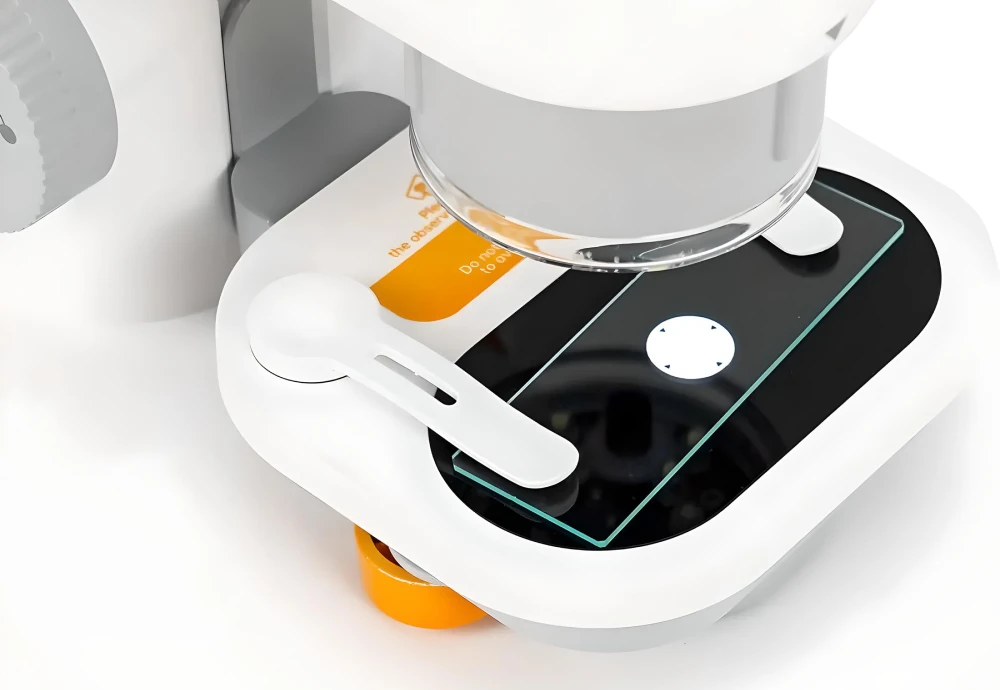
The era of traditional microscopes in classrooms is gradually fading as technology advances. One technological innovation that’s making waves in education today is the digital microscope for classroom use.
Fueling Curiosity with a Digital Microscope for Classroom Learning
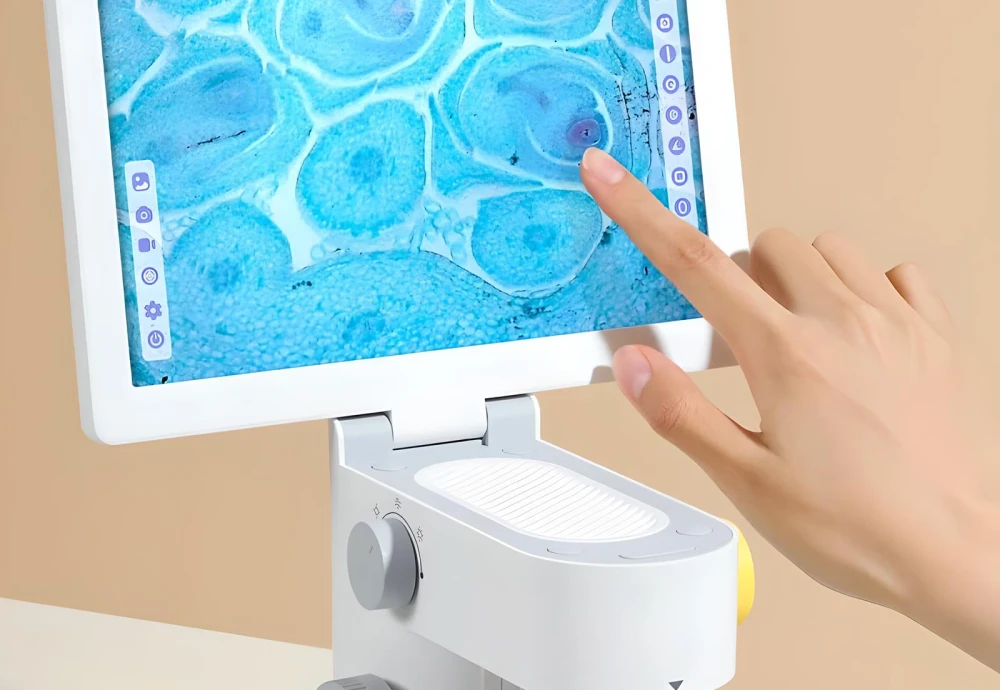
The digital microscope opens up new frontiers for students, enabling them to explore and understand microscopic worlds like never before. This powerful tool allows learners to view specimens on large screens instead of peering through tiny eyepieces, providing an immersive learning experience that fuels curiosity and fosters understanding.
Digital Microscope For Classroom: A Game Changer In Science Lessons
When used effectively, a digital microscope can be a game-changer in science lessons. It provides teachers with an innovative way to demonstrate complex scientific concepts and processes at the cellular level. With real-time imaging capabilities, students can observe dynamic biological processes as they happen – something impossible with conventional microscopes.
Enhancing Student Engagement Using a Microscope
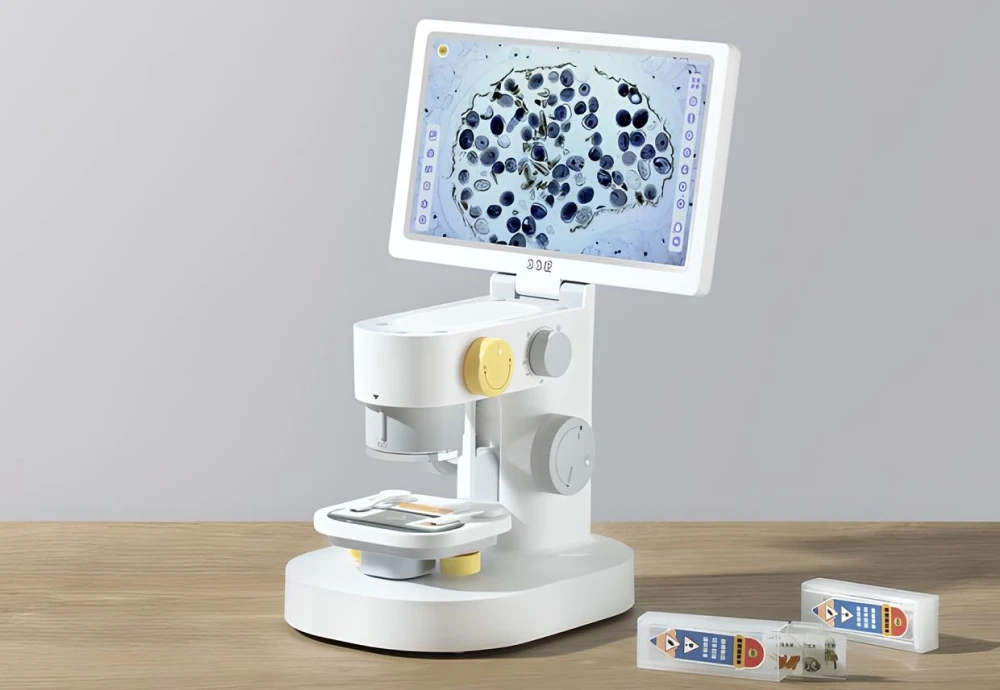
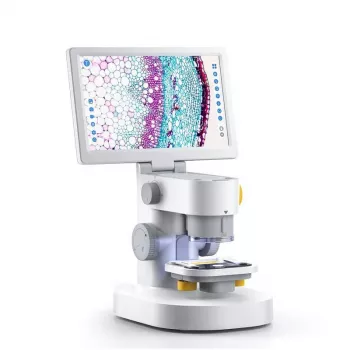
A digital microscope, such as the 1200X Touchscreen model from Pandorine with its triple camera feature enhances student engagement by turning passive observers into active participants. Students are no longer mere spectators but become explorers delving into fascinating miniature worlds.
This interactive approach promotes deeper comprehension while fostering critical thinking skills essential in modern-day education. Furthermore, it encourages collaborative learning as students share their findings and discuss observations leading to more enriched classroom discussions.
Maximizing the Benefits of a Microscope for Classroom Use
To get the most out of your digital microscope, it’s essential to integrate it seamlessly into your lesson plan. Start by familiarizing yourself with its features and functions. Practice using the device before introducing it to students, so you can guide them effectively during lessons.
Ensure that every student gets an opportunity to use the microscope. This hands-on experience is crucial in cementing their understanding and appreciation of science concepts discussed in class.
The Future: A Digital Microscope For Classroom Education
With advancements in technology, we can expect more innovative applications for a microscope for classroom education. The potential benefits are immense – from remote learning possibilities where students can explore microscopic worlds from home to advanced data analysis capabilities that could revolutionize how scientific research is conducted at school level.
Incorporating this tool into classrooms today prepares our learners for tomorrow’s world by equipping them with skills they need in an increasingly digital future.
Exploring New Horizons with a Microscope
The digital microscope is not just limited to science classes. It can be used across various subjects as an effective teaching tool. For instance, in art classes, students can examine the intricate details of famous paintings and sculptures that are otherwise invisible to the naked eye.
In geography lessons, learners can study soil samples or rock formations closely. The possibilities are endless when you bring a microscope for classroom use into your curriculum.
Breaking Down Barriers In Learning
A digital microscope also breaks down barriers in learning by making education more inclusive. Students with visual impairments who may struggle using traditional microscopes can benefit from this technology as it allows images to be projected onto large screens.
This feature makes learning accessible to all students regardless of their physical abilities, fostering an inclusive educational environment where everyone has equal opportunities to learn and succeed.
Leveraging the Power of a Digital Microscope for Classroom Innovation
To leverage the full potential of a microscope in your classroom, consider incorporating related technologies such as image editing software or 3D printing. These tools allow students to manipulate images captured by the microscope, enhancing their understanding and sparking creativity.
Taking A Step Forward With A Digital Microscope For Classroom Application
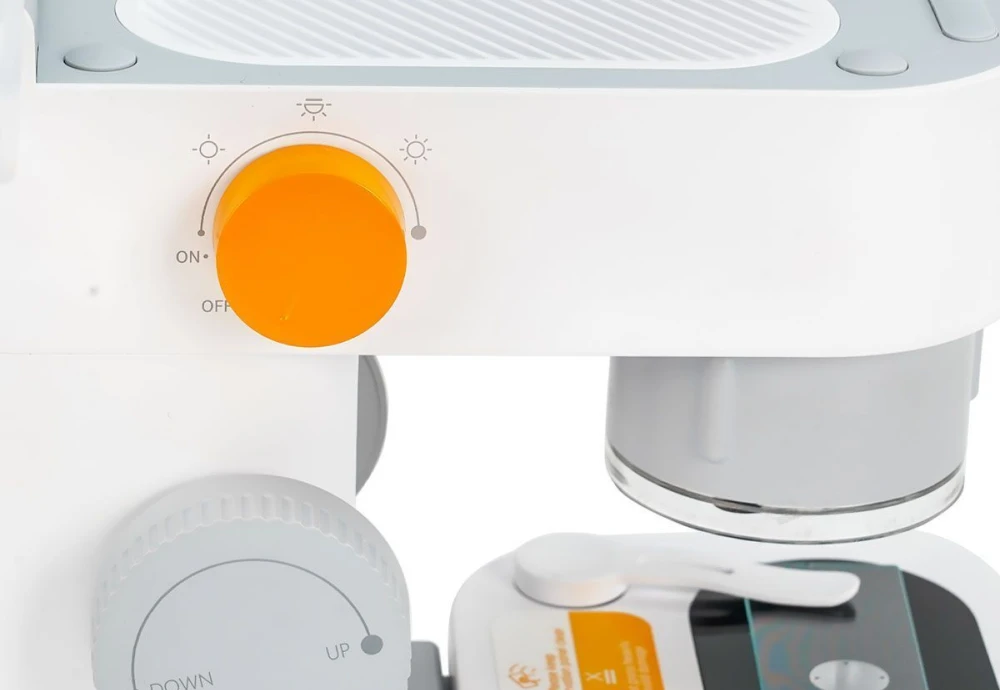
Moving forward with technology like a digital microscope is taking a step towards modernizing education and preparing our children for future challenges. As educators, we must embrace these advancements and integrate them into our teaching methods to provide the best learning experiences for our students.
Investing in a microscope for classroom use is not just about acquiring new equipment. It’s about fostering curiosity, encouraging exploration, and promoting lifelong learning among our students.













Leave a comment